Study Links Transitioning from Traditional Cigarettes to Vapes with Increased Risk of Serious Eye Conditions
A large-scale study from South Korea suggests that individuals who switch from conventional cigarettes to electronic nicotine products may face a higher risk of developing significant eye diseases compared to those who cease nicotine use entirely.
Health·

While many view the transition from traditional cigarettes to electronic vaping devices as a healthier alternative, a comprehensive nationwide study published in the American Journal of Ophthalmology suggests that these smokeless products could elevate the risk of serious eye diseases. This risk is notably higher than for individuals who completely discontinue nicotine use.
Researchers from the Korea University College of Medicine in Seoul, South Korea, conducted an analysis of health data from 179,273 adults sourced from the Korean National Health Insurance Service, according to an associated press release.
All study participants had used conventional cigarettes between 2011 and 2012, subsequently quitting smoking by either 2018 or 2019.
To ensure a robust comparison, the research team meticulously matched participants based on similar backgrounds, including age, gender, medical history, pre-existing health conditions, and general lifestyle behaviors.
This careful matching process resulted in a balanced cohort of 32,316 participants. This group was then divided into two distinct categories: those who completely ceased all nicotine product use and those who transitioned to smokeless nicotine products, such as electronic vapes.
Comprehensive Study Examines Eye Health Outcomes
The participants were monitored for an average period of 4.6 years to track the development of various eye conditions. These conditions included cataracts, glaucoma, age-related macular degeneration, diabetic retinopathy, and disorders affecting the eye's ability to focus.
Over the tracking duration, the study population experienced a total of 6,328 major eye disease events. The lowest incidence of disease was observed in the group that entirely quit nicotine, recording 41.1 cases per 1,000 person-years. This metric accounts for both the number of individuals in the study and the length of their participation.
In contrast, the rate of major eye disease increased to 44 cases per 1,000 person-years for individuals who had switched to smokeless nicotine alternatives like vapes.
Ultimately, the collected data revealed that opting for alternative nicotine products was associated with a consistent 7% higher risk of developing serious eye diseases when compared to completely abstaining from nicotine.
Specific Risks and Study Limitations
Notably, participants who switched to vapes faced a 24% elevated risk of developing diabetic retinopathy, a condition characterized by damage to the blood vessels within the light-sensitive tissue at the back of the eye. Furthermore, those who transitioned from cigarettes to vapes also showed a 7% increased risk of developing refractive and accommodation disorders, which impair the eye's capacity to focus clearly.
These findings challenge the assumption that substituting noncombustible nicotine or tobacco products for conventional cigarettes is visually harmless.
The researchers acknowledged certain limitations within their study. As the research involved a retrospective examination of health insurance data, it cannot definitively establish a direct causal link between vaping and eye damage. Additionally, the study relied on self-reported information regarding participants' smoking and vaping habits, which inherently carries the potential for underreporting or inaccuracies due to memory recall.
Despite these limitations, the researchers concluded that the findings indicate that replacing conventional cigarettes with alternative nicotine products may not eliminate the risk of developing specific eye diseases.
Related Stories

United States Loses Measles Elimination Status Amid Outbreak, Sparking Criticism of HHS Secretary
The U.S. has lost its measles elimination status, a designation held since 2000, following a significant rise in cases this year. Health and Human Services Secretary Robert F. Kennedy Jr. faces sharp criticism from
Nov 18

Highly Pathogenic Avian Influenza Confirmed in Wisconsin Poultry Flock, Prompting Euthanization
Wisconsin agriculture officials confirmed a highly pathogenic avian influenza case in a Rusk County backyard poultry flock. All affected birds were euthanized to prevent further spread. The contagious disease has
Nov 13
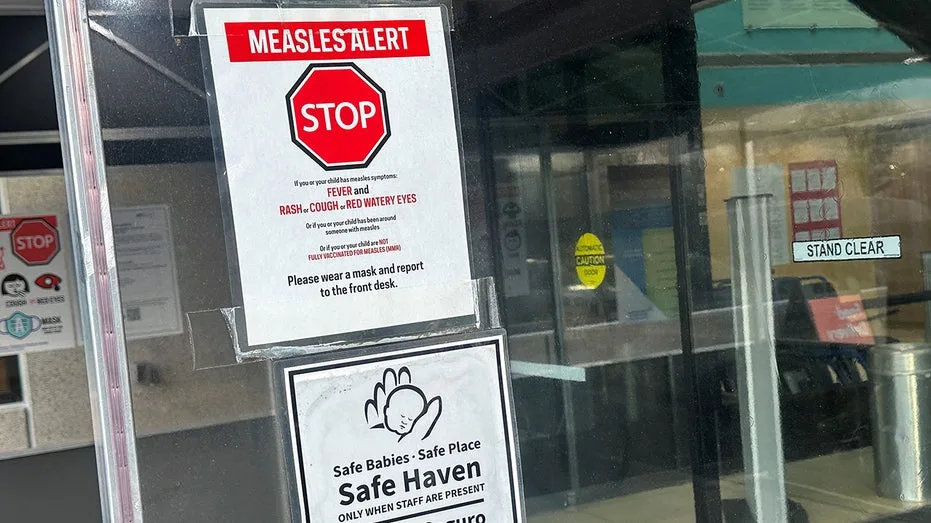
Wisconsin Infant Dies from Measles, Marking First State Death in 36 Years Amid Rising Cases
An infant in Wisconsin has died from measles, the state's first such fatality in 36 years. This tragic death occurs amidst Wisconsin's highest measles case count in over three decades, prompting health officials to urge
Nov 6
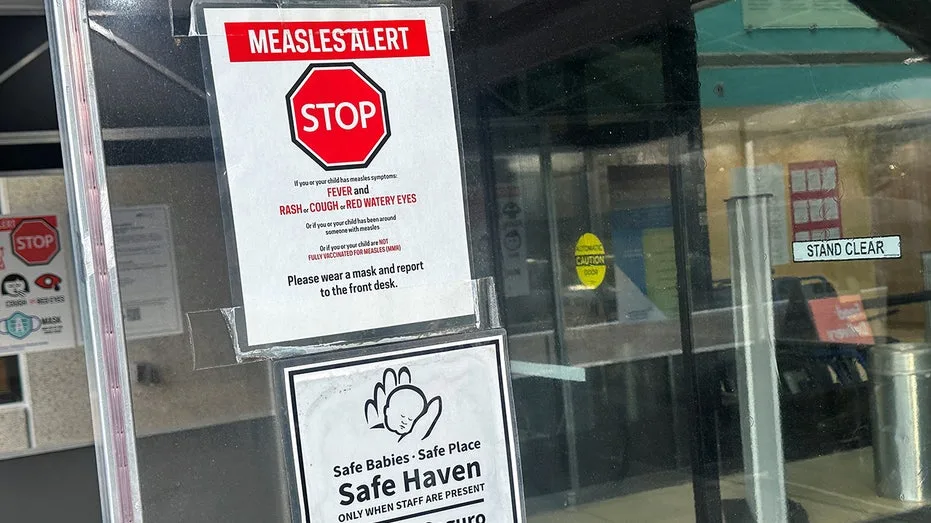
New York State Reports First Measles Fatality in Over Three Decades Amid Ongoing Outbreak
New York state has confirmed its first measles-related death in over 30 years, a child in Lewis County. Governor Kathy Hochul expressed sorrow, reinforcing the critical importance of vaccination. This fatality occurs
Nov 3